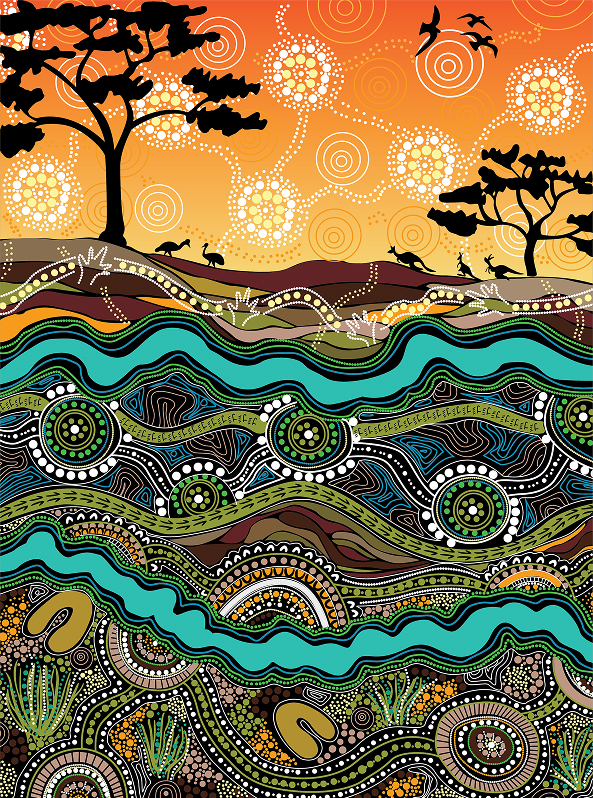
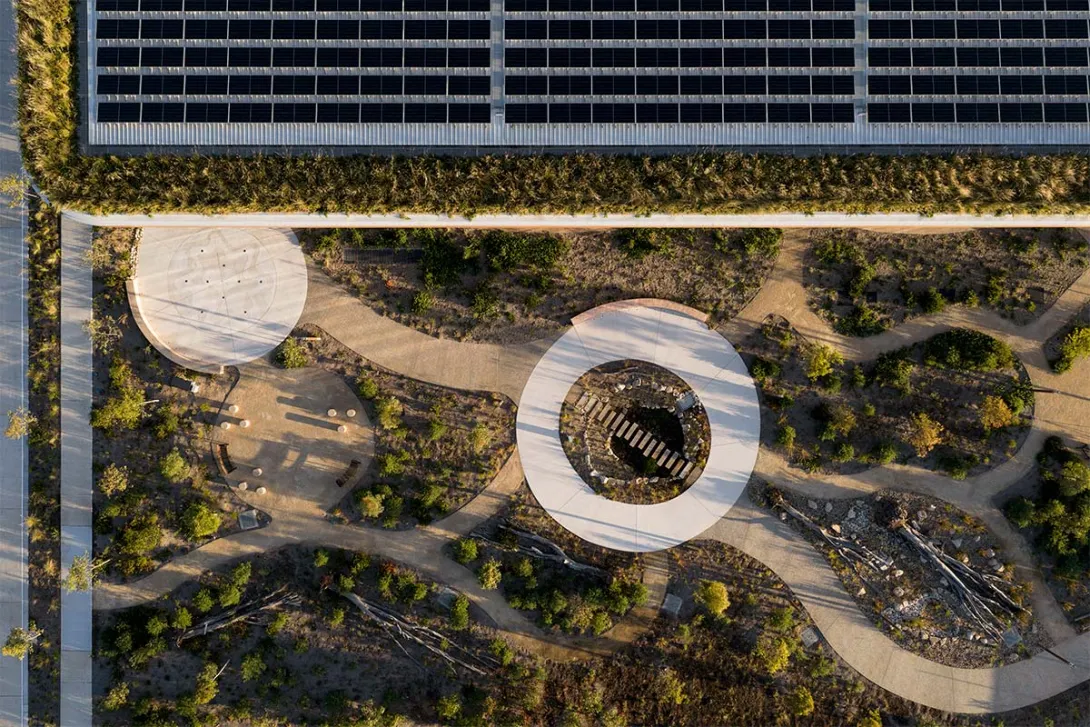
Narratives of Country
Based on the storytelling and knowledge sharing by key Knowledge Holders of Dharug Country, Djinjama developed the following narratives for the project.
It is important when Aboriginal knowledge is shared the knowledge is learned from and responded to. As such each narrative results in design, planning, landscaping, storytelling and care for Country approaches, opportunities and strategies ensuring a holistic outcome.
Design inspiration
Liz Westgarth:
Hello, my name's Liz Westgarth and I'm the architect leading the first building.
John Hazelwood:
Hi, I'm John Hazelwood, a landscape architect working on the landscape setting for the building and really pleased to be working with Danièle Hromek
Danièle Hromek:
Hi I'm Danièle Hromek I'm a Budawang/Yuin woman and I'm the cultural designer and researcher for this first building. This is beautiful, Wianamatta Country out in Western Sydney. As you can see it's Cumberland Plains Woodlands. It's beautiful country with rolling grasslands, these magnificent eucalypts spotting the landscape and water. It's a very important water place. The water here is sacred. It's important in so many ways, especially to women, and it's an important place for us to be working on. So we have used Country as our inspiration and our guide. We've looked at things like cultural practice, women's relationships to place, how men come in play a role in this and how to use materiality in a really sensitive way.
John Hazelwood:
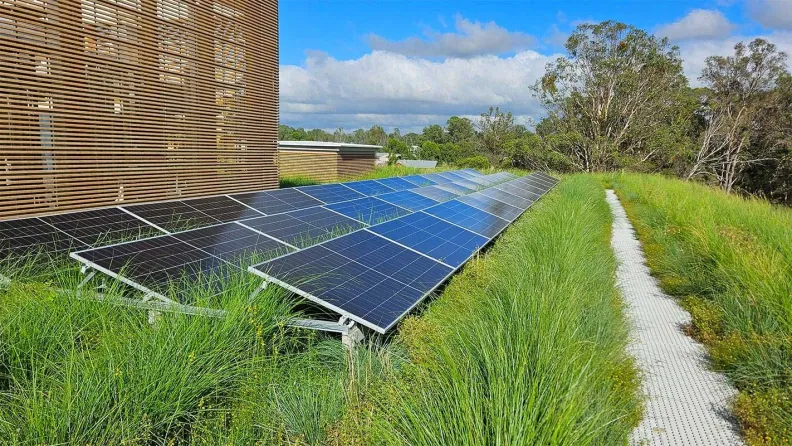
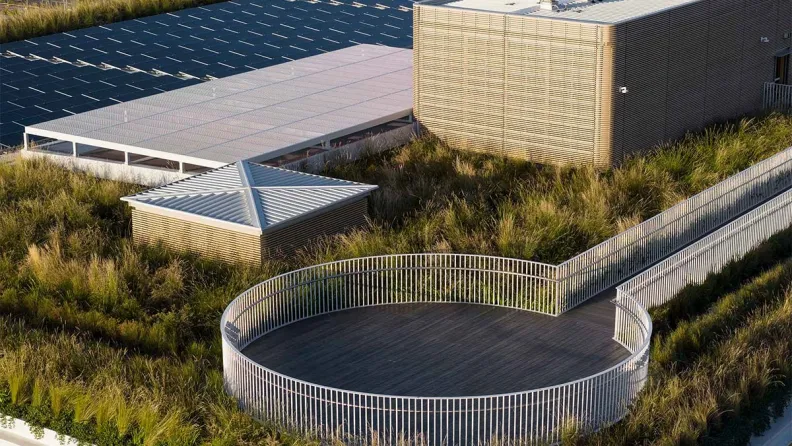
We've been working closely with Daniele to ensure that the landscape setting of the building reflects the context in the setting of Cumberland Plain and of Country. It will be an exemplar of how this can be reflected meaningful in a contemporary and urban setting. The landscape will celebrate the connection to water that Daniele has discussed and a setting of beautiful tree stands that are diverse carpet of understory plants. And will include places for many people to gather and to celebrate and places to sit quietly, a meandering an intimate landscape in a new city centre.
Liz Westgarth:
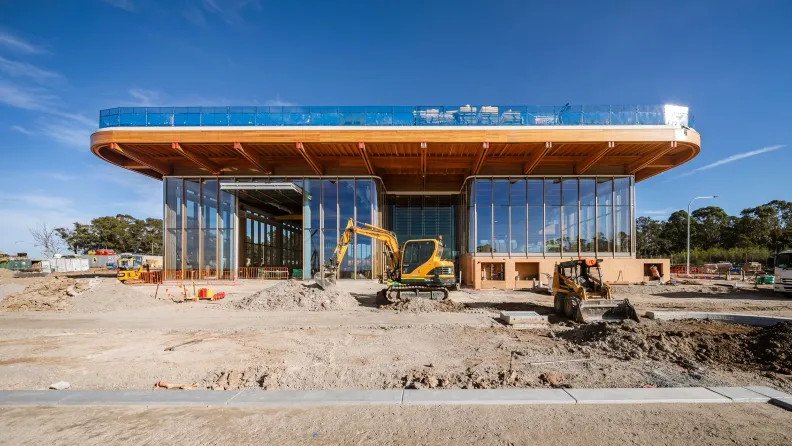
The first building will sit softly within the landscape, blurring the line between built form and the landscape, allowing the landscape to flow through and have a female character. The first building will really be a memorable landmark. It also needs to be flexible and adaptable to evolve over time. It has a role to inspire investment and it must be welcoming and engaging and really start to showcase the values of the city, particularly around environmental and social sustainability, but also it has to be advanced and innovative unique to place and Country.
The Water Story
Water gives life and connects us all.
The flow of the water on Freshwater Country helps shape the landscape and allow us to understand the interconnectedness of waters impact on places, people, activities and Country. Nearby Wianamatta is sacred and to be respected.
The waters serve as the highways on Country and provide a place for Women’s Business and cultural understanding.
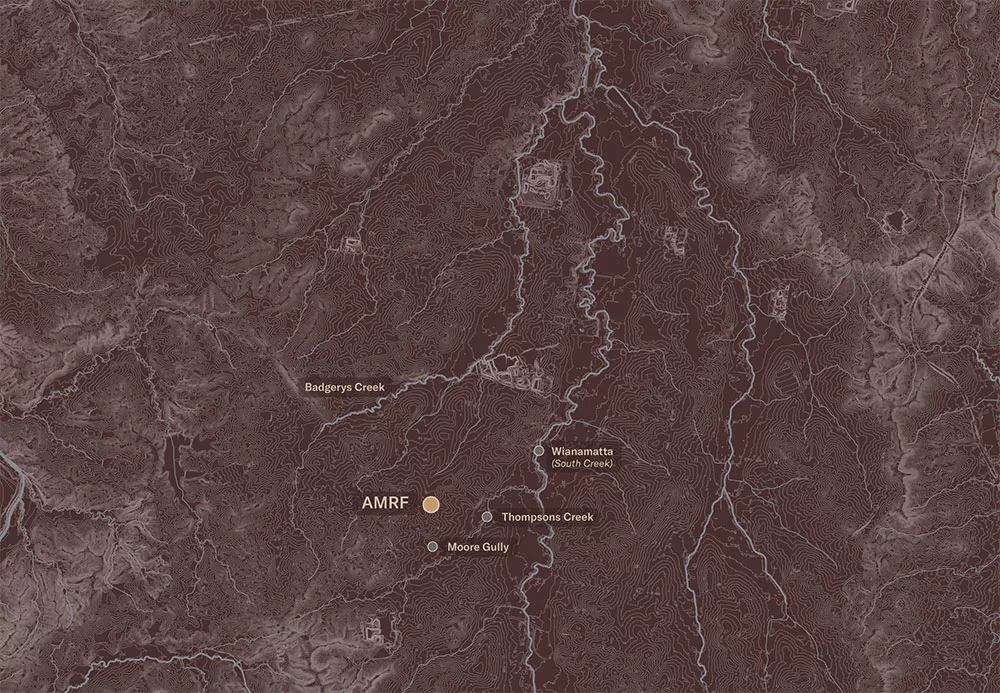
Hydrology Mapping, by Djinjama.
The Maternal Story
The Maternal Story reflects our mother the earth. Through mother earth we gain understanding of our role and purpose. Mother earth is inclusive and does not discriminate between those who share Country. We gain understanding of the role for women and their voice along with the role for men, elevating, protecting and giving space.
The values of motherhood are reflected through the Maternal Story, nurturing, birthing on and ensuring no further harm comes to Country.
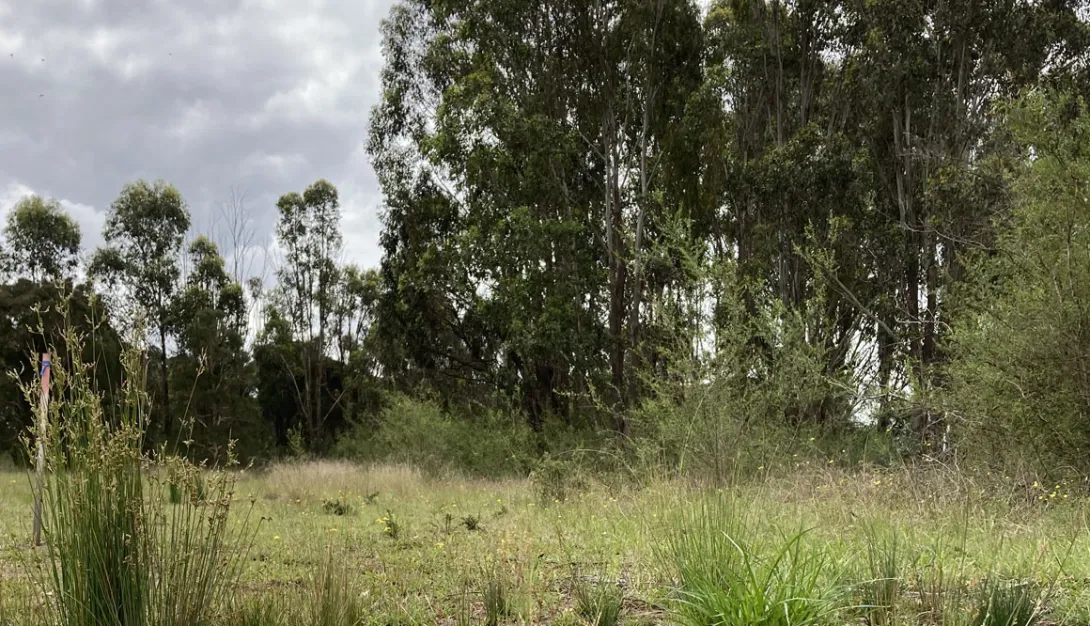
Wianamatta. Image credit: Dr Danièle Hromek
Healing Country
This narrative starts with Country and ensures the health of Country is at the forefront of all decisions. It centres on reciprocity, taming the inner emu that only thinks about oneself, pushing for a collective that is family oriented.
Healing Country values fatherhood, supporting women and stepping up to look after the offspring.
Healing Country means caring for each aspect of Country including biodiversity.
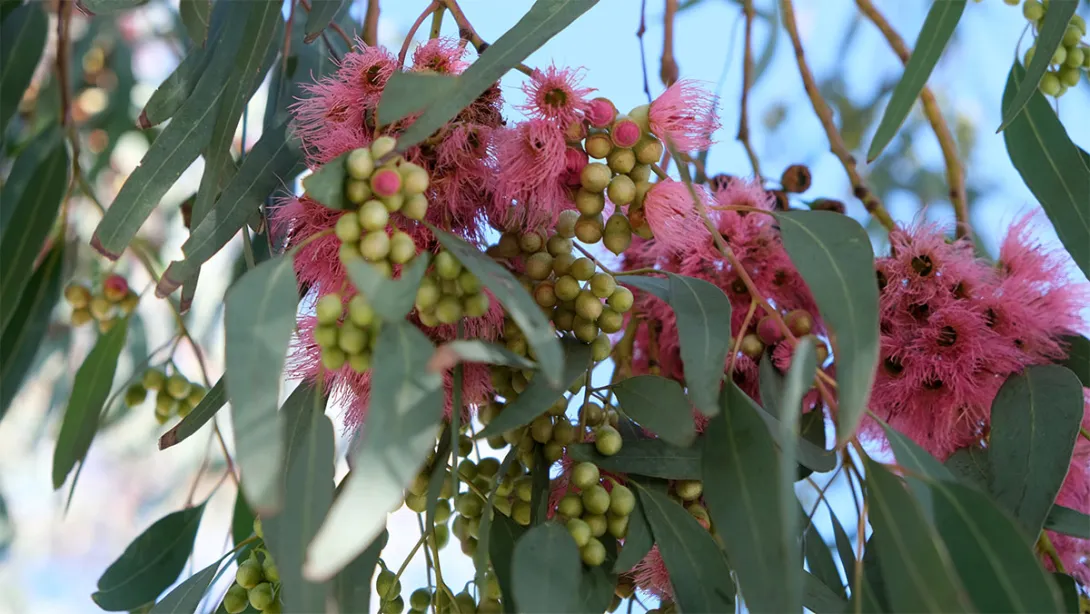
Mugga Ironbark (Eucalyptus sideroxylon). Image credit: Carlos Porras
Ingenuity of Country
The Ingenuity of Country understands that sites are not in isolation; everything is interconnected, complex and entwined. This Country narrative takes inspiration from Quandong – the emu digesting to soften and access nutrients.
Understanding that Country already perfects everything without perfectionism, and that we need to work and manufacture with Country.
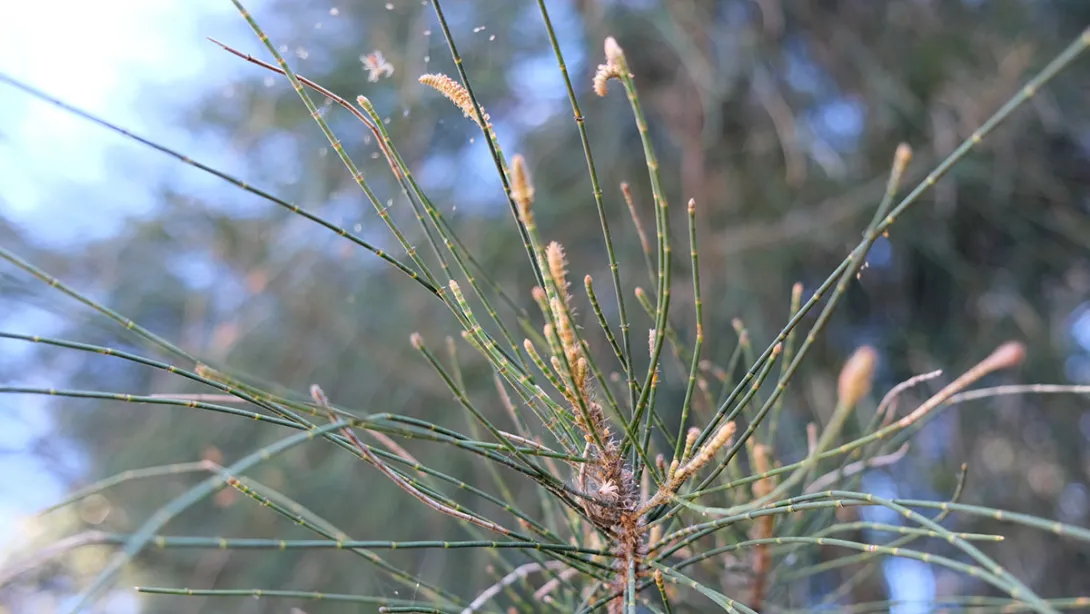
Swamp Sheoak (Casuarina glauca). Image credit: Carlos Porras
Relational Materials
Relational Materials recognise the inspiration of Country and conscious decision making in utilising materials. Ensuring there is an intricate balance for materials with transparency of where they come from, how they are sourced and used.
There are Protocols for caring for materials that should be respected to avoid overuse. Understanding the materials Country gives us and how healthy construction materials to ensure balance.
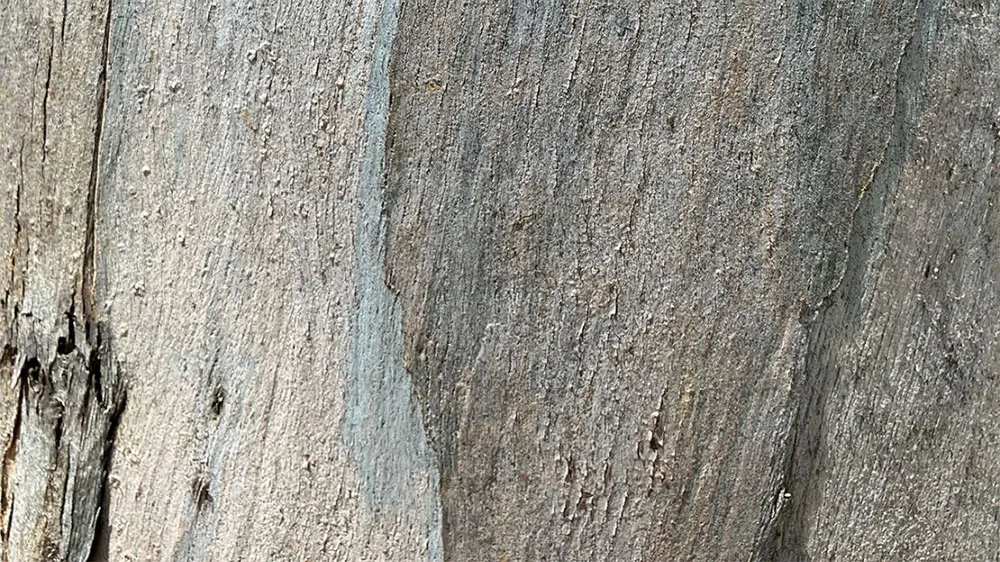
Eucalyptus Bark. Image credit: Dr Danièle Hromek
Belonging Story
The Belonging narrative embraces Country, culture and people. Country orients and helps us navigate, giving indications for the right path or place.
The environment should be welcoming; feel we belong to place and not impose on the landscape. Cultural practices should be embraced with spaces feeling the Traditional Custodians are welcoming visitors into an inclusive environment.
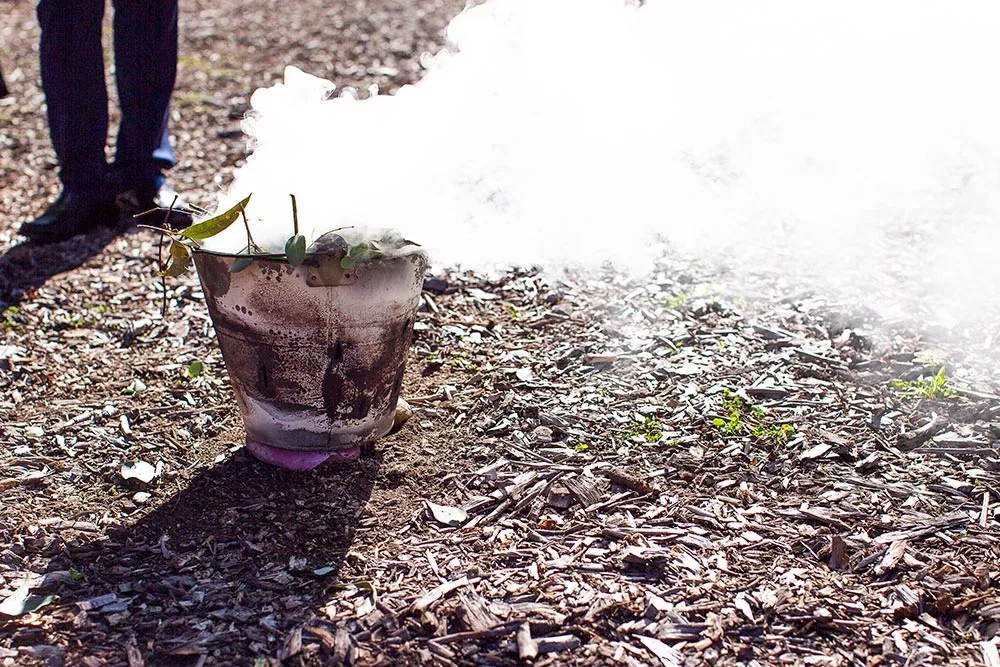
Belonging Story Image credit: Dr Danièle Hromek
Cycles Narrative
The Cycles narrative embraces that everything is connected and holds cycles to keep balance. The cycles of ecology, from the natural flow of water to seasonal cycles of non-human kin, are all affected if something shifts their balance. There needs to be a natural flow of water as the Cumberland Plain Woodlands needs a certain amount to survive.
Birds play a key part in the ecology cycle through the disturbance of seeds.
Balance is embraced through gendered roles and practices on Country.
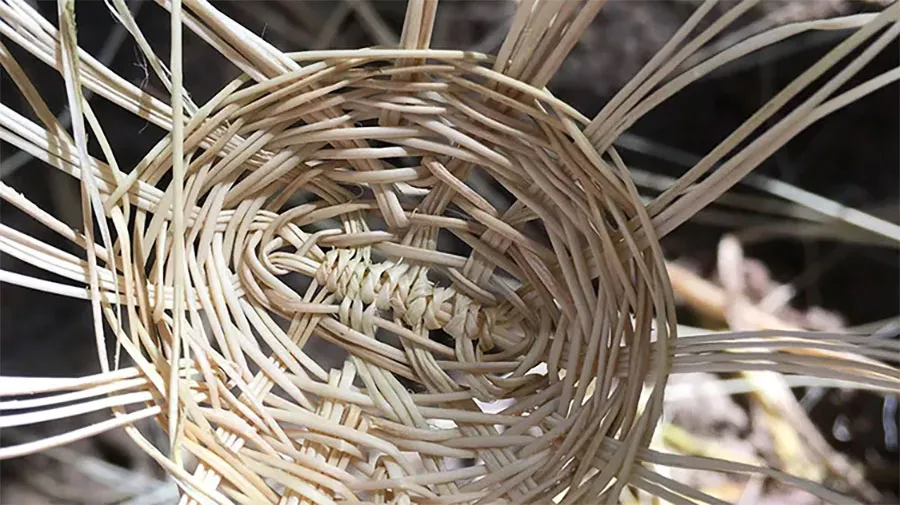
Weaving. Image credit: Dr Danièle Hromek
Our commitment to First Nations Peoples
The Western Sydney region has a rich and continuous heritage of First Nations culture. We are committed to embracing the opportunity to learn from and partner with local First Nations communities to improve outcomes in the region.
Explore more about our reconciliation journey and commitments.
Bradfield City Centre First Building Smoking Ceremony
Ken Morrison
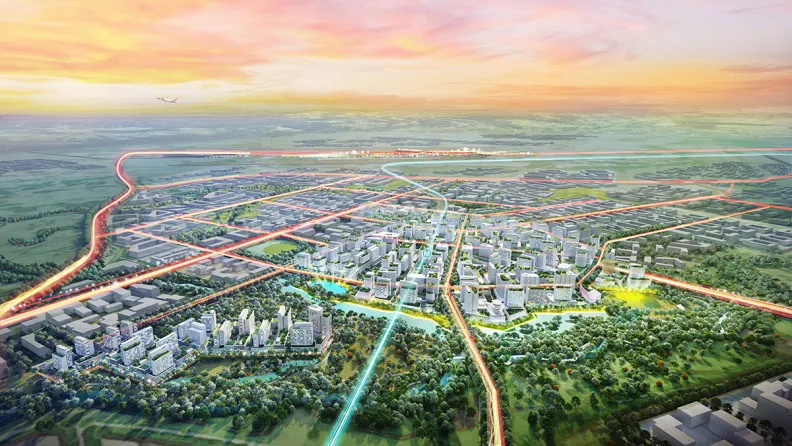
This might be the first building of a new city, but it's been created in an ancient country.
Uncle Colin Locke
I'd like to warmly welcome you all here today and to pay our respects on the land that we stand upon. A smoking ceremony. It's not only done by Aboriginal people but by many cultures around the world. It's used for cleansing of the body, spiritually, physically.
Ken Morrison
Today we're recognising that continuing association and the importance of Aboriginal people, First Nations people in the life of Bradfield.
Tony Scholes
This land has always been a place of knowledge sharing, innovation and gathering.
Dr Melissa Williams
We've been with Bradfield City since inception and it's been a big journey and it was good to catch up with the designers and the architects and I think they've done a great job.
Uncle Colin Locke
Ladies and gentlemen, while you're here on Dharug Country by the good spirit Biiami, watch over you from the high country.
Ken Morrison
This journey to create this building, and indeed for the whole planning here at Bradfield, has been one that's been done in collaboration with First Nations communities. As we commit and recognise and celebrate Country, culture and community.
Natalie Camilleri
We consider all of you our greatest friends and to walk for a long time with us on this city building journey.
Tony Scholes
It's through working together that we can build places and spaces that truly reflect the past, present and future of this land.
Ross Tangye
It's even like looking now. The wood, instead of being concrete and bricks, you've got nice wood and exposed beams, glass. You can see through the place. It's got a nice feel about the place. Suits me.