The importance of the green roof
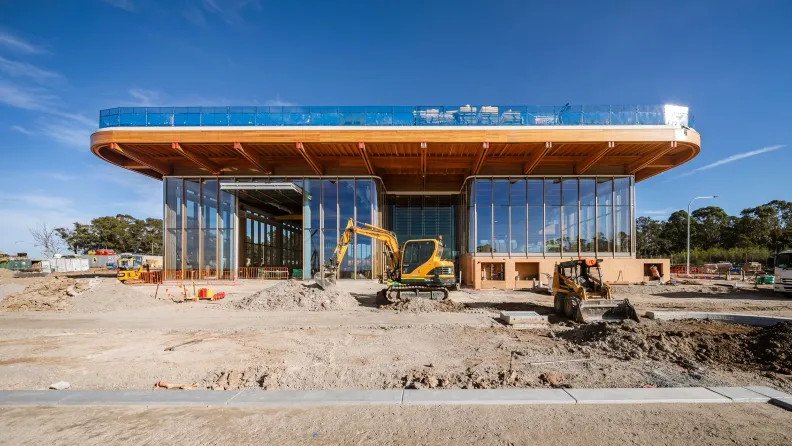
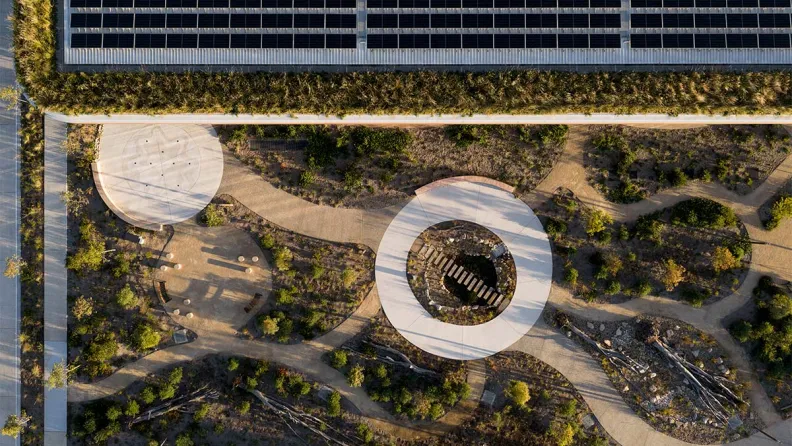
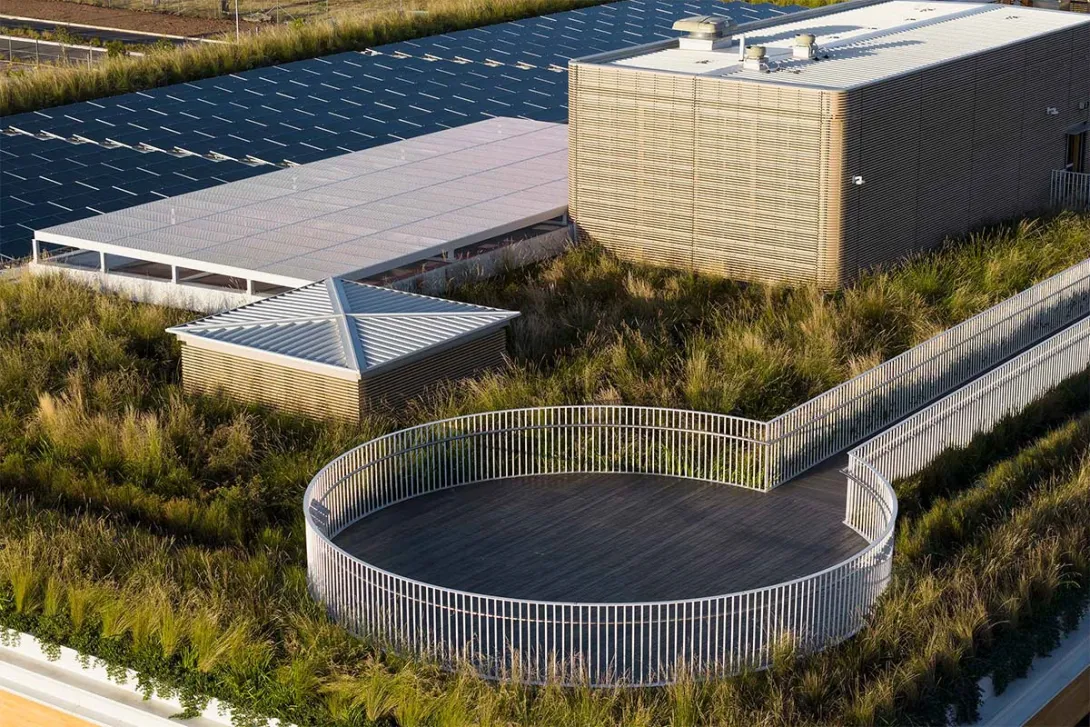
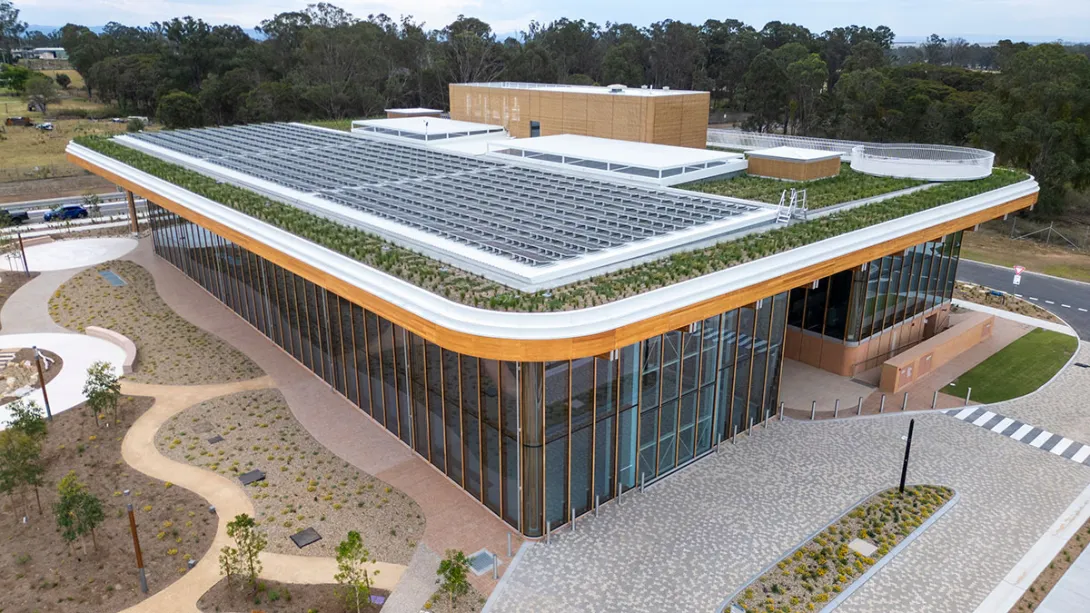
The green roof is one of the standout design and sustainability features of the First Building in Bradfield City.
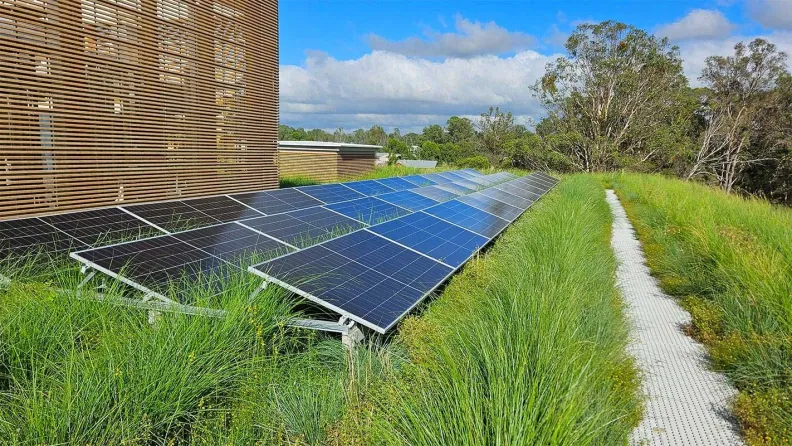
Designed with climate resilience in mind, it acts as a ‘living shield’. It helps to keep the building cool and improves the energy efficiency of the biosolar rooftop by cooling the solar panels.
An important design feature, the green roof blends into the tree canopy of the Cumberland Plain, sitting lightly in the landscape.
The team behind the green roof
The green roof was planted by Three Owls Landscaping, a Sydney-based family business, owned and operated by Richard Downes alongside his wife and son. Richard has over 50 years of experience in horticulture, and has been working on green roof projects for 20 years. The First Building at Bradfield City is the largest green roof project he has worked on to date.
Richard and his son weed, prune, check moisture levels, check the irrigation system and lines during each weekly service.
Watch this video to hear from Richard about his experience.
First Building garden rooftop with Rick Downes
Rick Downes
It was a lot of work, but I'm very, very proud of it. We're very happy to do it.
Being a small business, it's virtually only the three of us did this project - my wife, my son, and I.
My name's Richard Downes. I've been involved in horticulture for 50 years, just myself.
I've been doing civic green roofs for about 20 years on a smaller level. This is the largest green roof we've done to date.
This particular roof, they're all plants native to the Cumberland Plain consisting of grasses, sedges, groundcovers, a few unusual ones like native pelargoniums, native violets, bulbine bulbosa.
It was a challenging project in terms of this whole structure. We never actually put this much soil and material on a timber roof before. So there's only 110 mm of soil on the whole roof, which isn't that much, and a fine layer of gravel on the top.
The roof has always got a constant supply of natural water that's being used and recycled by itself to form its own little ecosystem. We've definitely seen a lot of praying mantises and praying mantis eggs. A lot of moths. We've seen caterpillars, wasps, butterflies, native bees.
This project had the intention of putting green roof under solar panels to keep them cooler. If the solar panels are cooler, I'm told they get more efficient.
I'm very proud to have been involved in such a big project. I didn't realise how big this building actually was in a brand new city. But it is very important to us to be involved in such a big project - or at least have consultation and advice cuz it's all about giving knowledge more than anything else I think.
Interactive diagram of the green roof
This diagram shows the high-tech layers of drainage and soil beneath the planting on the green roof. It also features six of the key plant species.
Green infrastructure at Bradfield City
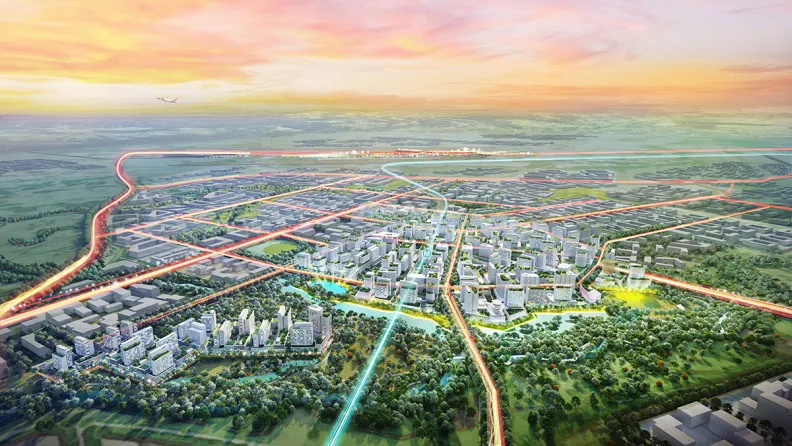
The First Building and its green roof are exemplars for future development at Bradfield City. The City has a target of 80% green roof coverage or biosolar systems on available roof space to combat urban heat.
Visitors to the First Building at Bradfield City, including local schools, community groups, businesses and industry, experience the wonder of the green roof during their visit. It is educating visitors about sustainability, biodiversity and the importance of greening public infrastructure by making use of available roof space.
Header image by Evan Maclean